
Iskenderun Wayfinding Signs
Wayfinding systems inside plazas, malls, hospitals, and schools — modular, flexible, corporate.
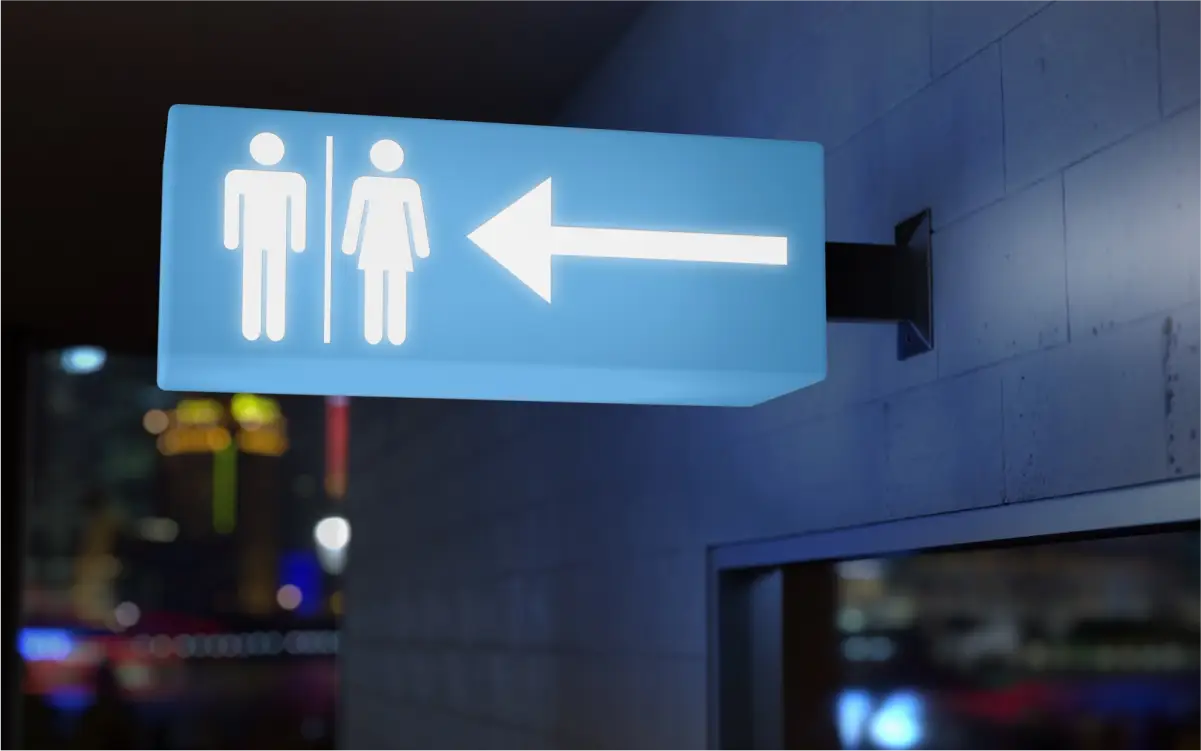
What Are Wayfinding Signs?
Wayfinding signs (signage) are visual communication systems that help a visitor reach the right place easily within a building or complex. Outpatient-clinic directions inside hospitals, mall floor plans, plaza office nameplates, hotel room numbers, and school campus directions are the main application areas. A well-designed wayfinding system measurably increases visitor satisfaction; a poorly conceived system leaves a negative impression even when service quality is high.
Technical Details
The fundamental principle in wayfinding signs is modularity. In plaza and hospital systems, replaceable information strips are placed between an upper and lower aluminum profile; when the department or door user changes, only the strip is changed. Acrylic, aluminum composite, and galvanized sheet with direct printing are frequently preferred as surface materials. For small elements such as a door nameplate, 1.5 mm acrylic + laser engraving is the most suitable solution, while for large directional arrows, 3 mm dibond + cut film is best. In terms of visual hierarchy, a minimum text height of 28 mm is recommended for primary directions and 22 mm for secondary directions.
Areas of Use
Appointment, outpatient-clinic, and laboratory directions inside hospitals; mall floor-plan maps and store strips; plaza office nameplates and entrance-floor directories; hotel room numbers and restaurant and meeting-room directions; building directions inside schools and campuses; and car park entry–exit directions are the main application areas. In addition, in industrial areas such as factories and warehouses, mandatory occupational health and safety wayfinding signs (emergency exit, first aid, fire extinguisher) can be produced.
Wayfinding Signs in Iskenderun and Hatay
The problem we frequently encounter in the plazas and business centers of Iskenderun is that no wayfinding plan was created at the outset; as tenants change, the boards are made differently and visual consistency is lost. In our wayfinding renewal projects at the State Hospital and private healthcare institutions, we migrate the entire system to a single, uniform modular infrastructure, making it possible over the years to change only the information strips. This approach both lowers cost in the long run and preserves the corporate appearance.
Why Techno Reklam?
A wayfinding system is not just a sign on its own; it requires a design discipline. Our team in the workshop, working together with architects and graphic designers, first analyzes your building's flow with a drawing, then marks the sign points. We do not produce standard products, but modules tailored to your building. When needed, we prepare the sign color range in harmony with the building's interior design colors.
Wayfinding Signs — Key Advantages
The standards we deliver in every project that leaves our workshop.
Modular System
The information strip is replaceable — the sign does not change when the user changes.
Flow Analysis
The building flow is mapped and the sign points are determined.
Accessible Design
Options compatible with text size, contrast, and braille.
Corporate Color
Production in harmony with the building's interior design color.
Our Working Process
From first contact to delivery; transparent and insured.
Building Flow Analysis
Visitor flow and decision points are marked on the plan.
System Design
The modular profile, color, and typography are selected.
Production
All components are prepared in the workshop with laser and printing.
Installation & Labeling
Properly aligned installation on site and a test run.
Frequently Asked Questions
We have compiled the questions our customers ask most often.
Usually there are 4 main groups: primary directional, secondary directional arrow, door nameplate, and floor directory. It is detailed according to the building scale.
Yes. In the modular system the information strips are slide-in/slide-out; updates are made without even one sign changing.
Yes. We apply raised braille on official projects requiring accessibility for people with disabilities.
An average of 10–15 business days including plan analysis. Production alone is 5–7 business days.
Yes. The modular system can expand; we produce additional signs while keeping the same standard.
You May Also Be Interested In
Services frequently chosen together in the same category.
Get a Quote for Wayfinding Signs Now
For a free site visit and a clear price quote, just give us a call — it takes a minute.